
Regional Focus
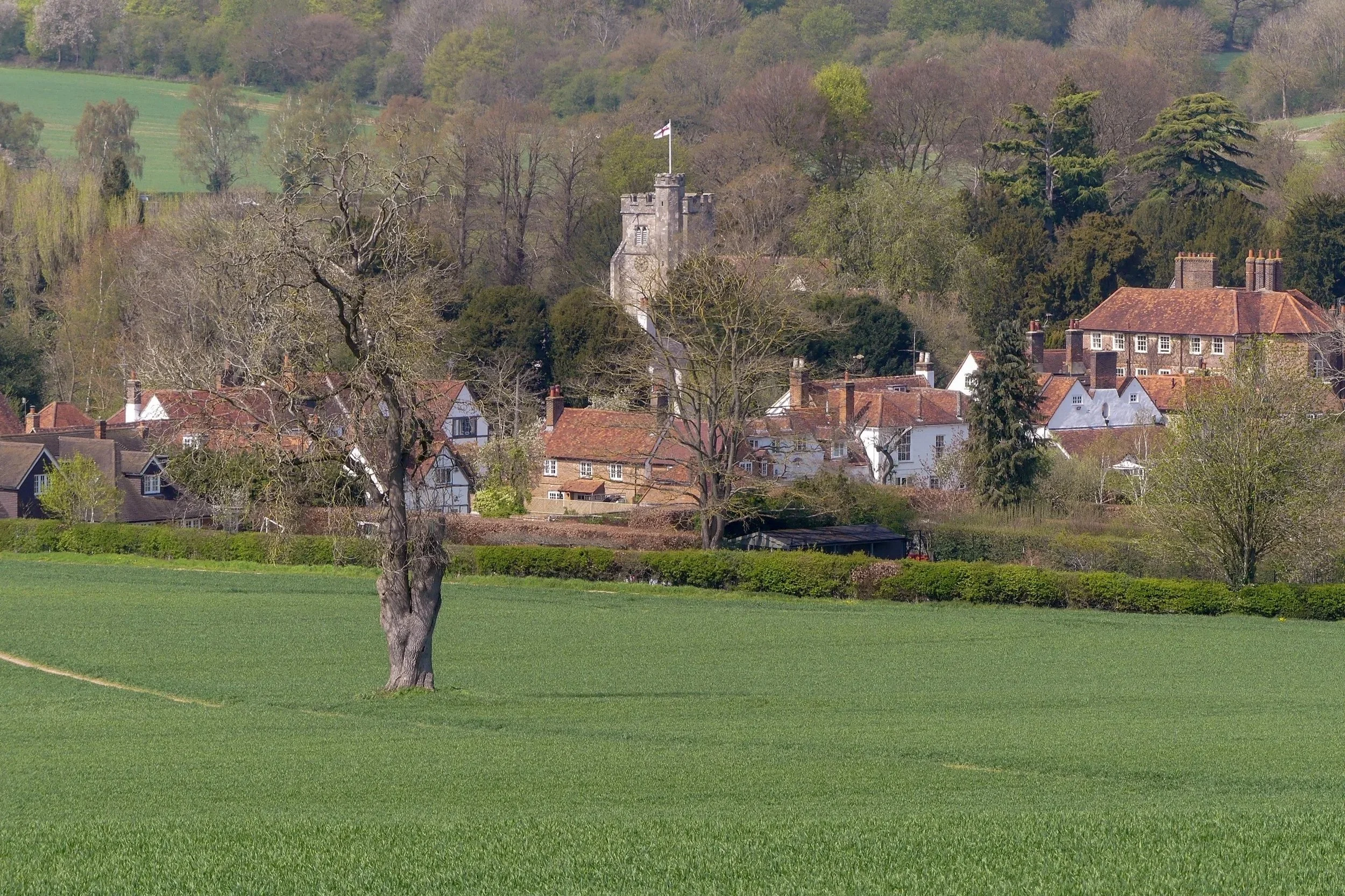
Buckinghamshire and the Chilterns contain many gardens in which productive landscapes can flourish. Across the region it is common to find mature residential gardens, long-established fruit trees, generous lawn areas and sheltered spaces capable of supporting structured kitchen gardens.
For many households, particularly those who have moved out from London in search of more space, these gardens represent more than just visual amenity. They offer the opportunity to create landscapes that contribute directly to household life through seasonal fruit, vegetables and long-term garden structure.
The Productive Garden Company works within this landscape, focusing on gardens where fruit trees, orchard systems and kitchen gardens can be developed thoughtfully over time.
For an overview of our work across the region, see:
From Space to Productive Potential
One of the defining features of this region is space.
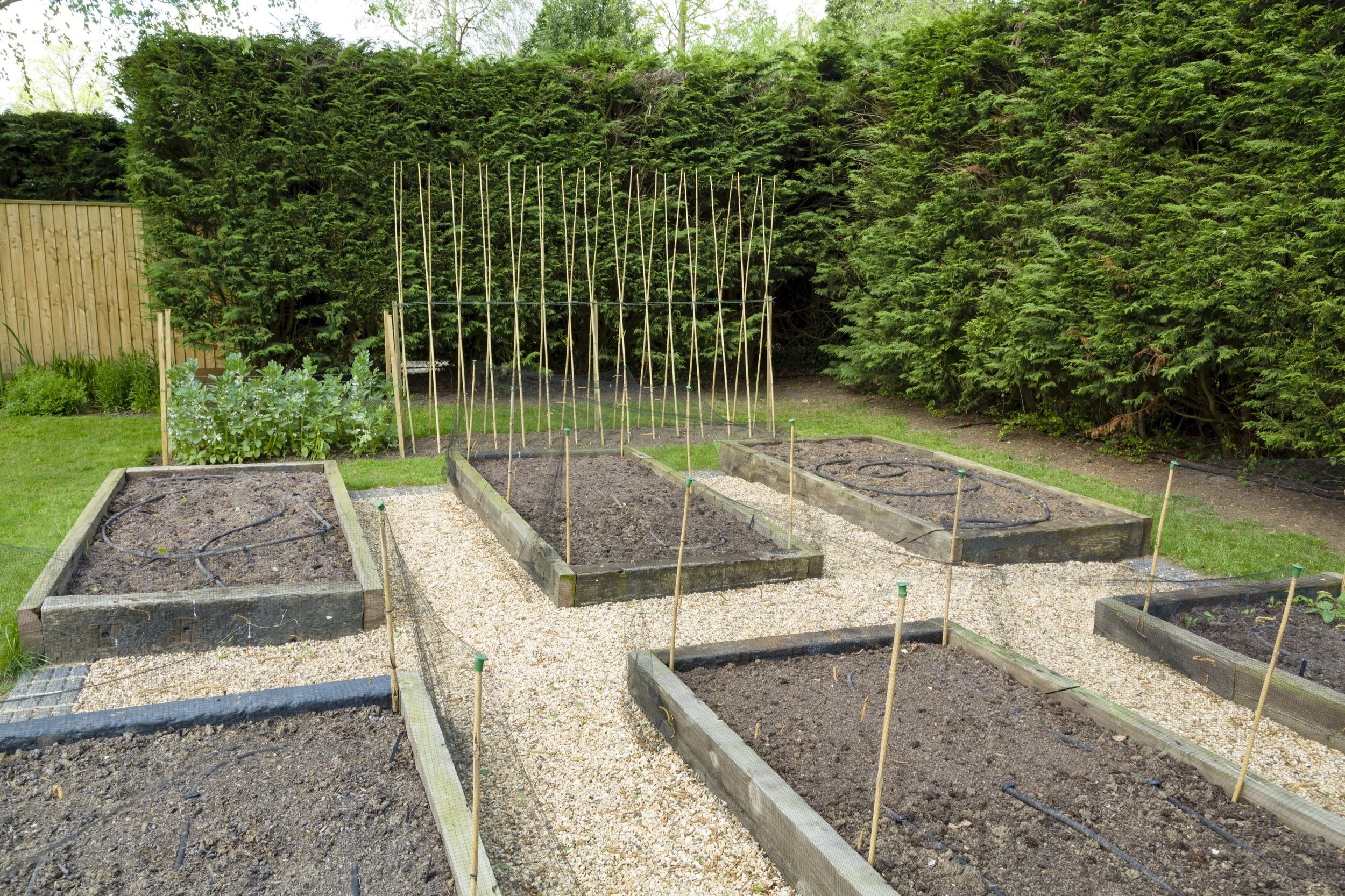
Many families move from denser urban environments into Buckinghamshire and the Chilterns seeking larger homes, larger plots and a better relationship between house and garden. In many cases, these properties already contain the raw ingredients for a productive landscape: mature boundaries, open lawn areas, existing fruit trees, and enough depth within the garden to support meaningful planting.
That space can remain ornamental, but it can also be used more intentionally.
Fruit trees and kitchen gardens offer a way to turn underused areas of the garden into landscapes that support both beauty and health. Fresh fruit and vegetables grown on the property itself can become one of the most direct and rewarding uses of garden space, while also giving children and families a closer relationship with the seasons and with the source of their food.
Across this region, the opportunity is often already there. What is usually needed is structure.
Landscape, Soil and Regional Conditions
Buckinghamshire and the Chilterns are not uniform. Gardens across the region sit within different soil conditions, elevations and microclimates, and these factors influence how productive planting should be approached.
Some areas are dominated by chalky soils associated with the Chilterns, while others contain heavier clay pockets or mixed ground conditions shaped by older cultivation and settlement patterns. In some gardens, drainage is the main challenge. In others, moisture retention or soil structure become more significant.
A productive garden does not begin by forcing one formula onto every site. It begins by understanding the conditions that are already present and then working with them intelligently.
This is particularly important for fruit trees, orchard planting and kitchen garden systems, all of which respond directly to soil structure, exposure, moisture and long-term fertility management.
The Character of Gardens in the Region
Many of the gardens found across Buckinghamshire and the Chilterns share certain characteristics.
It is common to find:
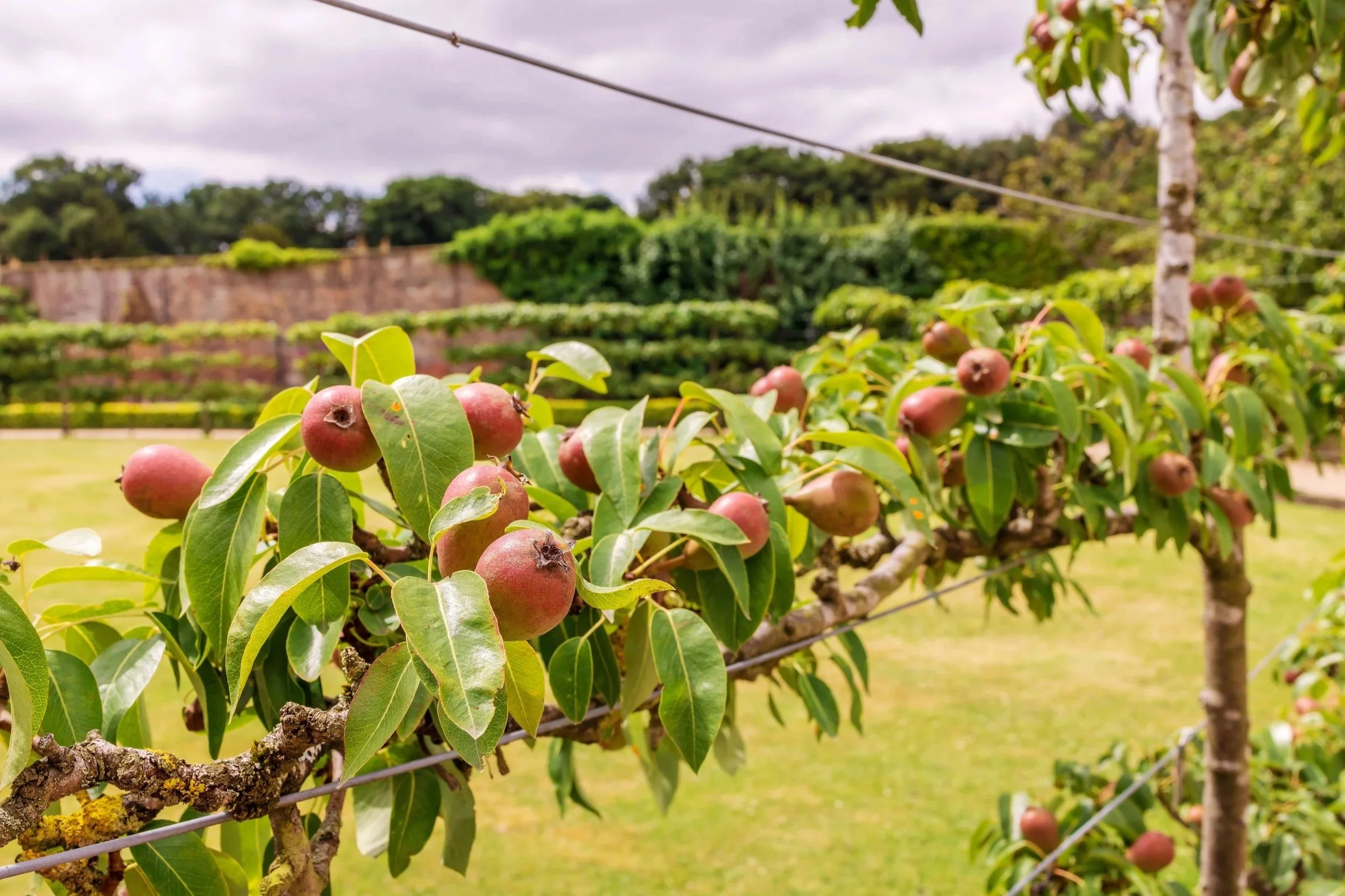
mature apple, pear and plum trees within established domestic gardens
small private orchards or informal orchard remnants
larger lawn areas with potential for productive use
sheltered spaces suitable for raised beds or kitchen garden layouts
older garden structures that can support trained fruit trees such as espaliers or cordons
These gardens often evolve over decades rather than being designed all at once. As a result, they frequently contain good underlying potential but lack a clear productive framework.
Some contain neglected fruit trees that need careful structural correction. Others have enough space for a kitchen garden but no clear layout. Many simply need a more deliberate vision for how the garden could function.
The Opportunity Within These Gardens
What makes this region particularly interesting is that many of its gardens do not need to be started from scratch.
They already contain space, maturity and potential.
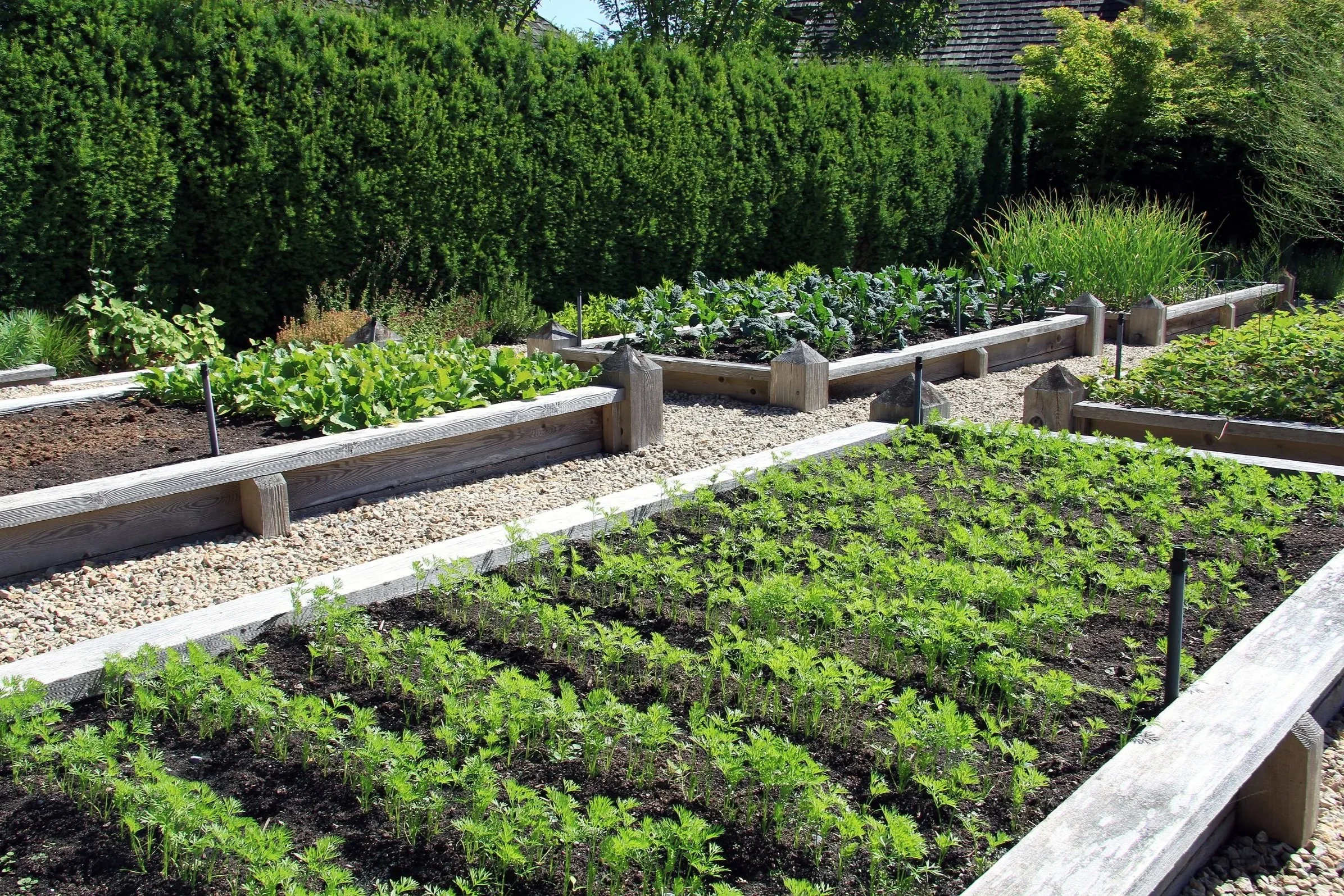
A lawn can become a kitchen garden.
An overgrown fruit tree can be restored into a balanced and productive form.
A forgotten orchard edge can become part of a structured long-term stewardship plan.
A sheltered wall can support espalier fruit trees integrated into a wider productive garden.
The aim is not to force every garden into the same model. It is to recognise what each site can support and to guide it toward its highest potential.
For some properties that may mean Fruit Tree Pruning within an established garden. For others it may mean Orchard Restoration, the development of a new Kitchen Garden Design, or a longer-term Orchard & Kitchen Garden Stewardship approach.
Primary Areas
The practice works primarily within a concentrated area of Buckinghamshire and the Chilterns, where the landscape, garden character and property types are particularly well suited to this kind of work.
Core areas include:
Wider Regional Coverage
Work is also undertaken across the wider Buckinghamshire and Chiltern region where suitable projects arise.
This includes areas such as:
Chalfont St Giles
Chorleywood
Penn
Little Chalfont
Seer Green
The focus remains on properties where productive landscapes, fruit tree systems and structured kitchen gardens can be developed thoughtfully and maintained well over time.
Work Undertaken Across the Region
Across these areas, work typically relates to the long-term development of productive garden systems.
This may include:
Fruit Tree Pruning within mature gardens
Orchard Restoration where fruit trees have become neglected or overgrown
Kitchen Garden Design for households seeking a structured productive space
Orchard & Kitchen Garden Stewardship for gardens that benefit from continued seasonal oversight
This is not a general maintenance model. The work is most suitable for gardens where structure, productivity and long-term development are valued.
Request a productive garden assessment
Most projects begin with an on-site assessment to understand the existing space, current condition and long-term potential of the garden.