
Kitchen Garden Design
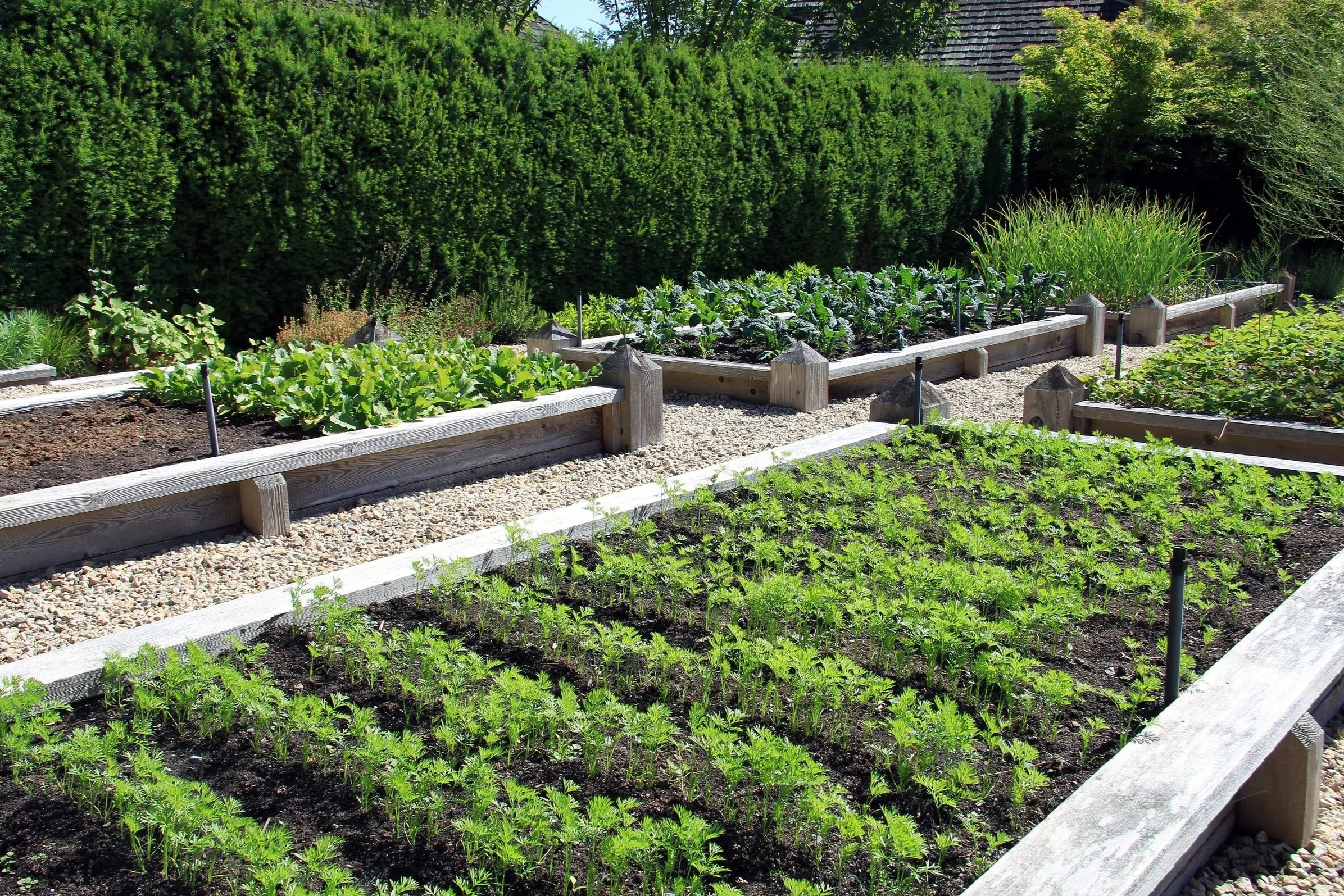
A well-designed kitchen garden provides fresh seasonal produce while remaining structured, manageable and visually integrated within the wider garden landscape. Unlike ornamental planting, productive gardens require careful planning so that crops, soil health and seasonal rotations can function effectively over time.
The Productive Garden Company designs kitchen gardens for private homeowners across Buckinghamshire and the Chilterns, focusing on practical growing systems that combine productivity with long-term manageability.
Rather than simply installing raised beds, kitchen garden design considers the entire growing environment — including layout, soil structure, access, sunlight and seasonal management.
Planning the Kitchen Garden Layout
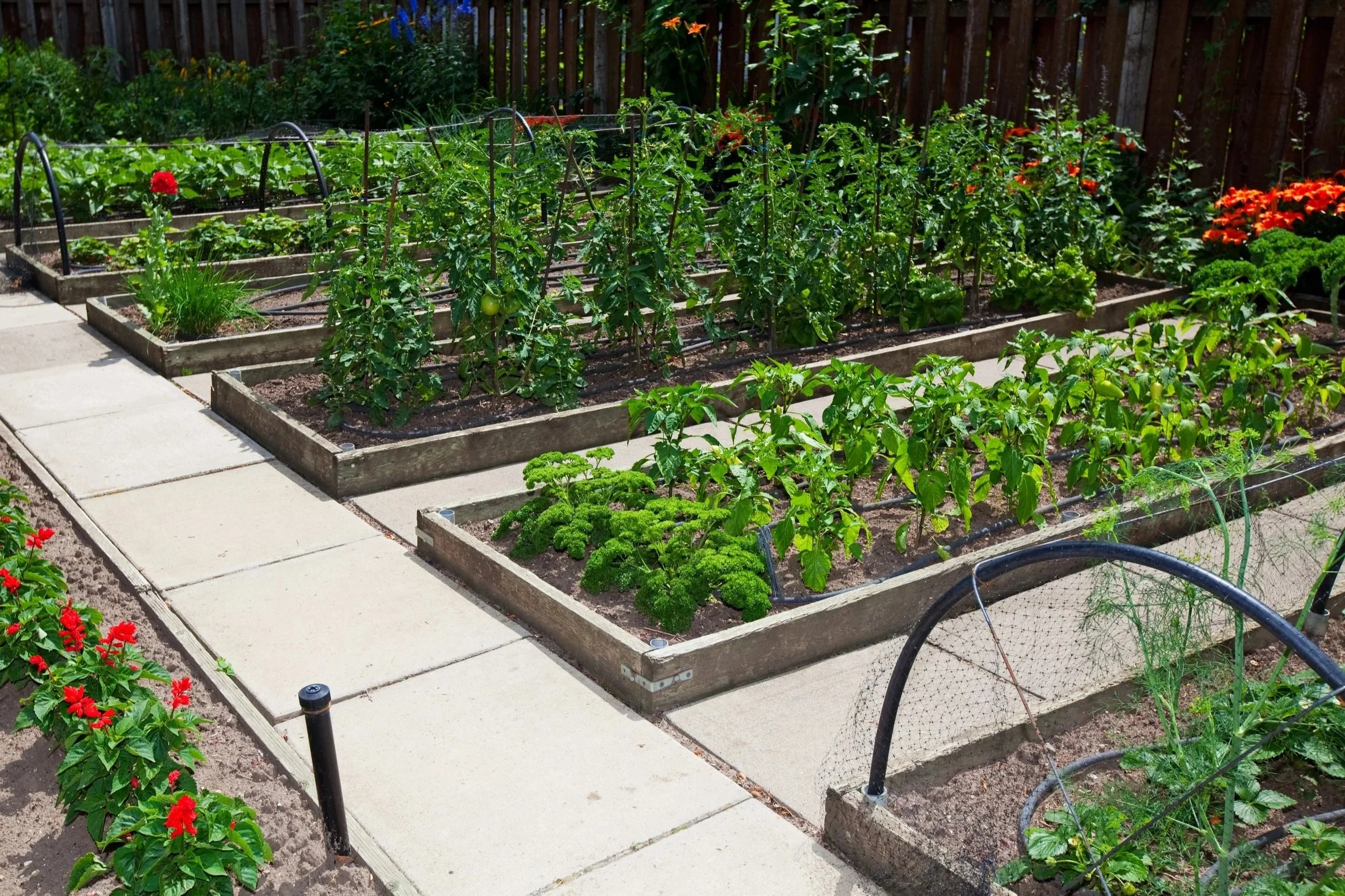
The success of a kitchen garden begins with a well-considered layout. The arrangement of beds, pathways and working areas influences how easily the garden can be managed throughout the growing season.
A thoughtful layout also ensures that crops receive sufficient light while allowing convenient access for planting, harvesting and seasonal maintenance.
Key layout considerations may include:
• orientation of beds to maximise sunlight exposure
• bed size and spacing for comfortable access and maintenance
• pathway layout to support efficient movement through the garden
• irrigation planning and water access
• integration with surrounding garden spaces
When planned correctly, the layout of a kitchen garden allows both productivity and day-to-day usability to develop naturally.
Raised Bed Systems
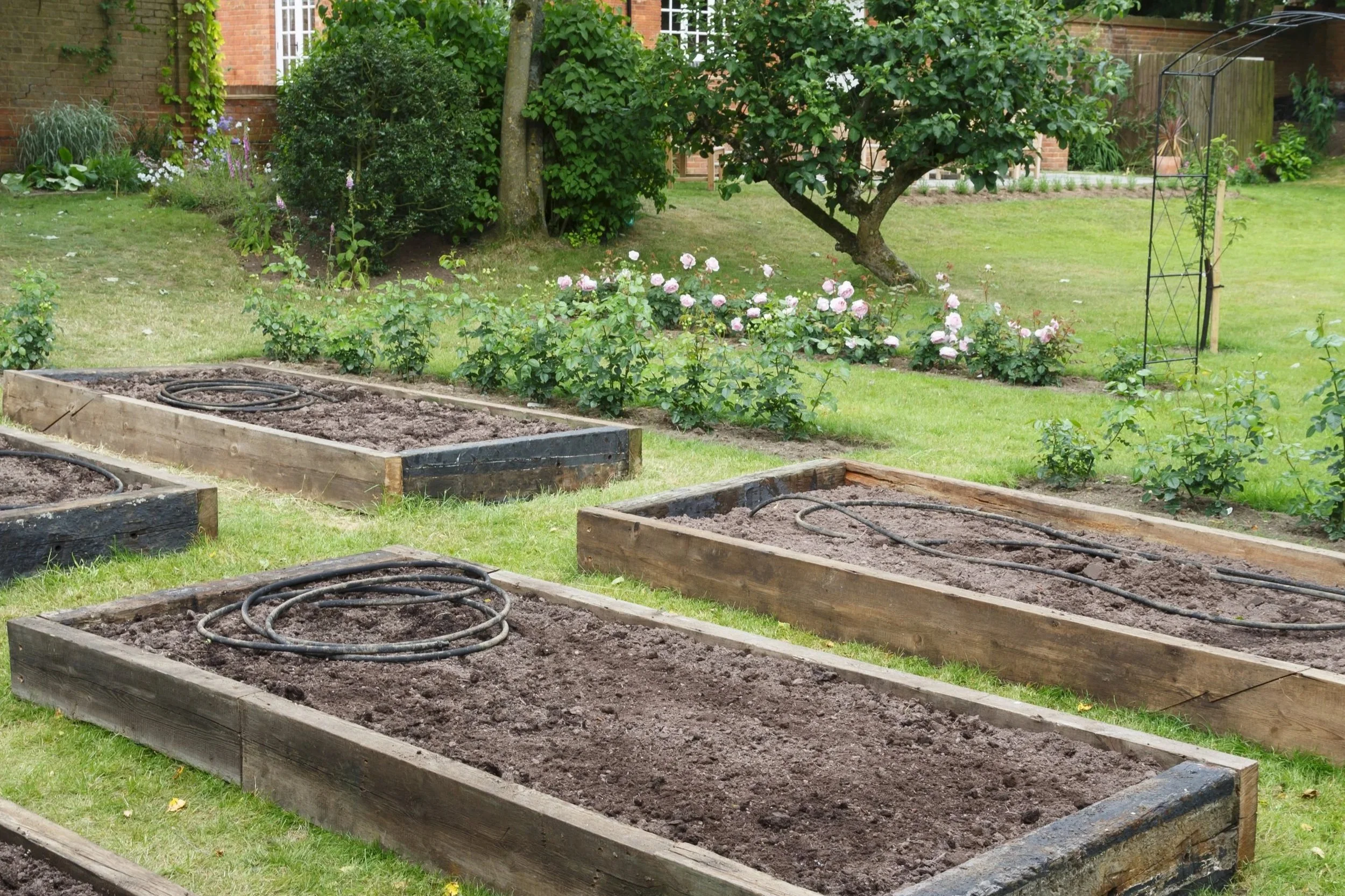
Raised beds form the structural framework of many kitchen gardens. They provide improved soil conditions, clearer crop organisation and easier seasonal management compared with traditional open plots.
However, raised beds must be designed carefully so that they support healthy soil structure and long-term productivity.
Design considerations may include:
appropriate bed dimensions for comfortable reach and maintenance
durable construction materials suited to outdoor conditions
soil depth and composition for productive crop growth
pathway surfaces suitable for year-round access
integration with composting and soil improvement systems
Well-designed beds allow crops to be organised clearly while maintaining healthy growing conditions. The goal is to create a growing system that remains productive without becoming labour intensive to maintain.
Soil Health and Productive Growing
Healthy soil forms the foundation of any productive kitchen garden. Crop growth, flavour and long-term productivity depend on maintaining good soil structure and biological activity.
Kitchen garden design therefore considers how soil will be managed over time rather than simply focusing on the initial installation.
Important soil considerations include:
soil structure and drainage conditions
organic matter and compost integration
crop rotation planning
seasonal soil improvement practices
long-term fertility management
Within productive gardens, soil health is treated as a living system that develops gradually through consistent seasonal care.
Long-Term Kitchen Garden Stewardship
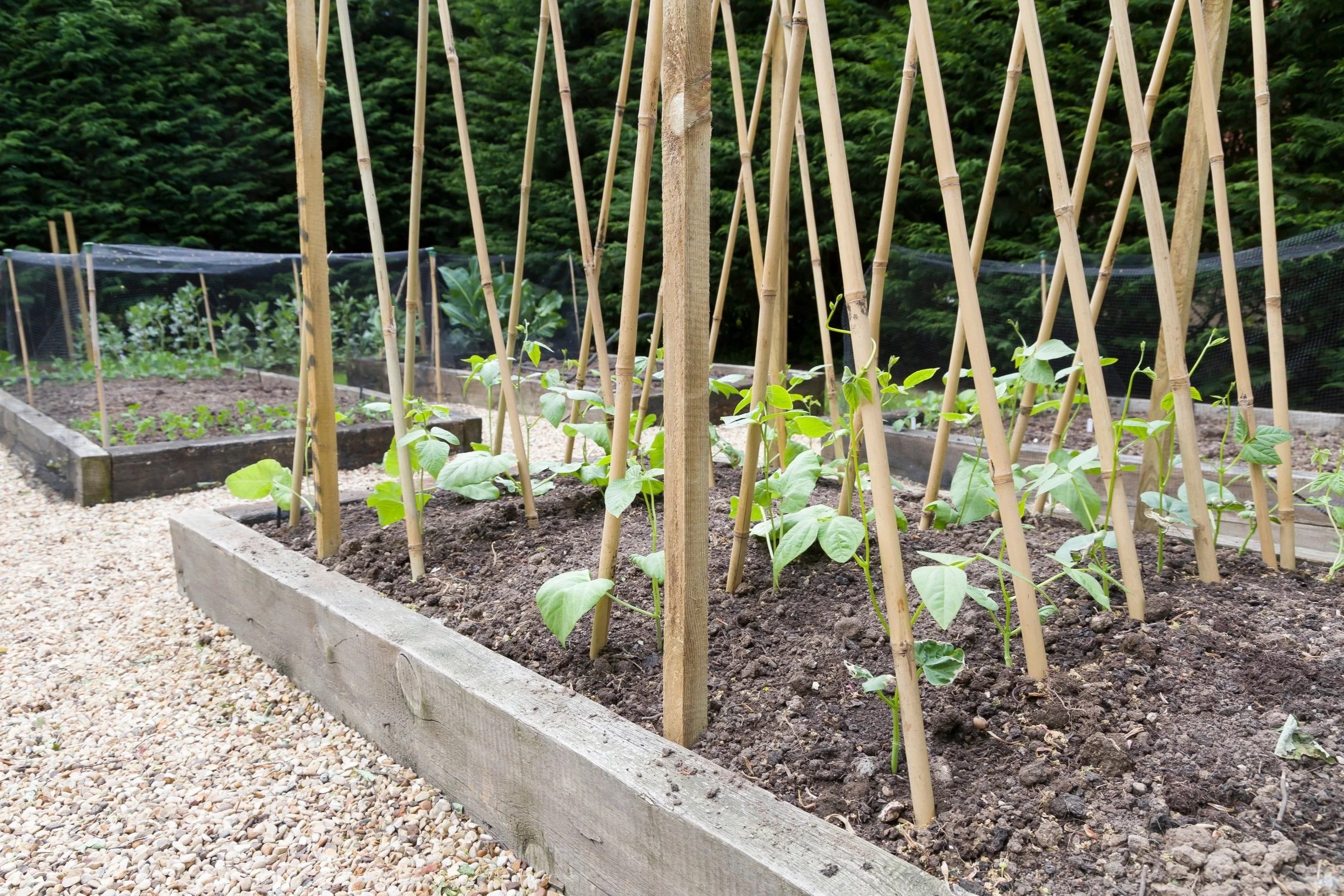
Kitchen gardens evolve over time as crops are rotated, soil fertility is improved and planting patterns develop through experience.
Many homeowners benefit from occasional professional oversight to help maintain productivity and refine the growing system.
This may include:
seasonal planting guidance
crop rotation planning
soil condition monitoring
compost system management
adjustments to bed layout or growing strategy
Rather than treating the kitchen garden as a static design project, successful productive gardens develop through ongoing observation and seasonal adjustment.
When Kitchen Garden Design Is Valuable
Kitchen garden design is particularly valuable for property owners wishing to establish productive growing areas that remain manageable and attractive within the wider garden landscape.
A well-planned kitchen garden can become a central feature of the property while providing seasonal produce throughout the year.
This service is particularly appropriate for:
homeowners wishing to introduce raised bed vegetable gardens
gardens seeking structured productive growing areas
properties with unused garden space suitable for cultivation
households interested in growing seasonal vegetables and herbs
gardens integrating orchard and kitchen garden systems
In many cases the aim is to create a productive growing space that complements the character of the property while remaining practical to maintain.
Common Questions About Kitchen Garden Design
How large does a kitchen garden need to be?
Kitchen gardens can be designed to suit a wide range of spaces. Even relatively small areas can support productive raised beds if the layout is carefully planned.
Are raised beds necessary for a kitchen garden?
Raised beds are not essential, but they often improve soil conditions and make seasonal management easier. They also help organise crops and maintain clear planting areas.
Can kitchen gardens be combined with fruit trees?
Yes. Many productive gardens combine orchard trees with vegetable growing areas. Fruit trees can provide structure and seasonal interest while raised beds provide annual crops.
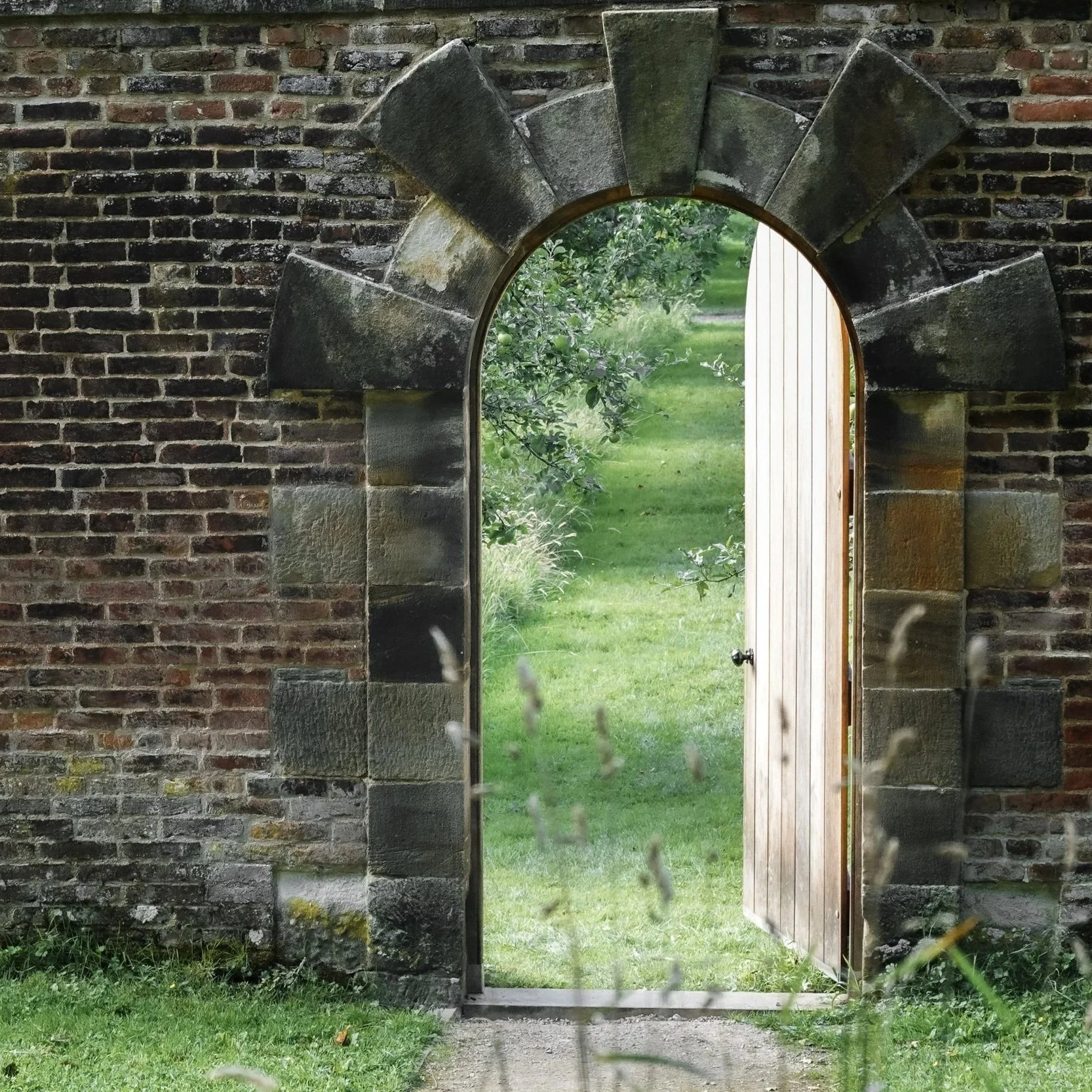
Kitchen Gardens Across Buckinghamshire and the Chilterns
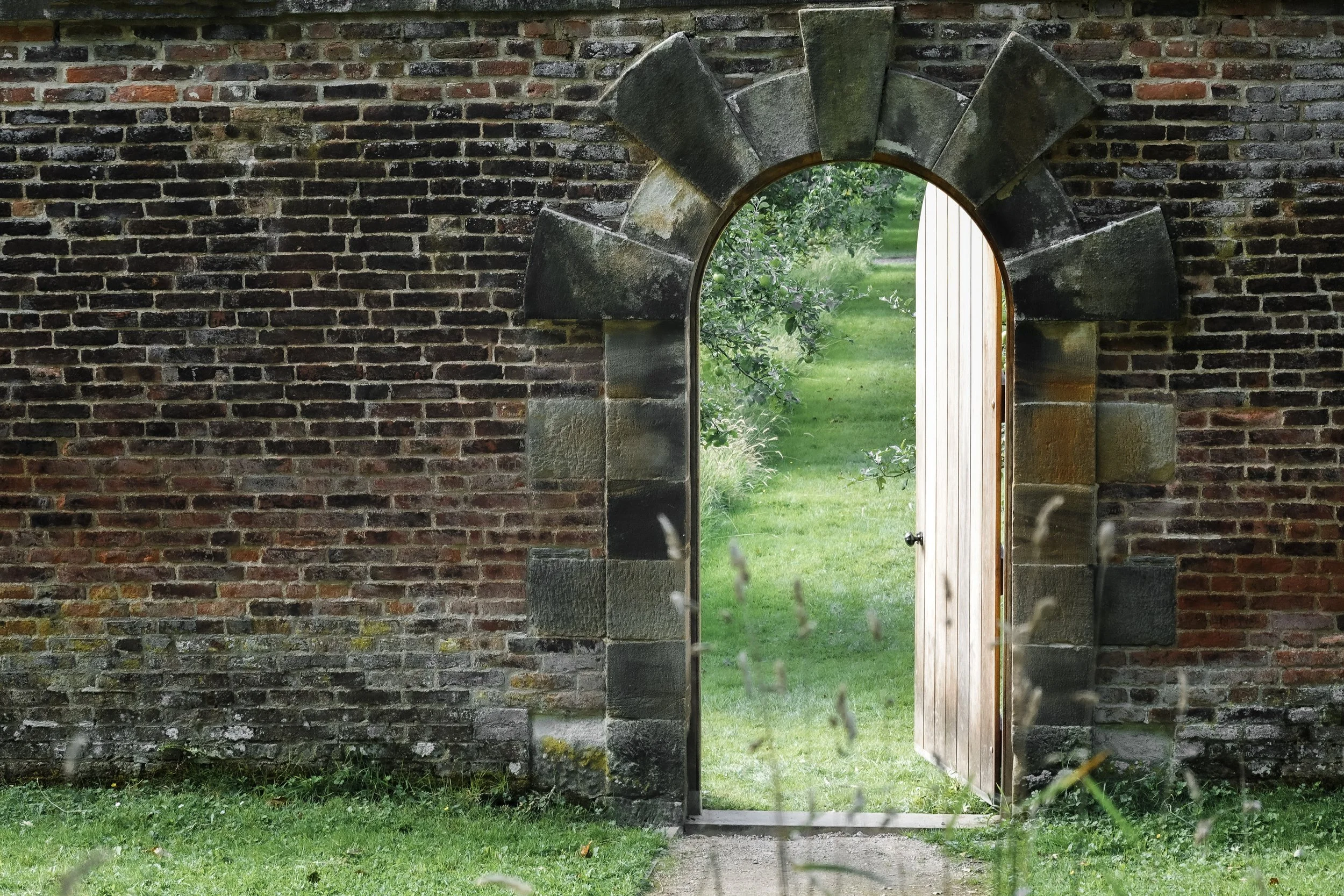
The Productive Garden Company designs kitchen gardens for private homeowners across South Buckinghamshire and the Chilterns.
Many established properties in this part of England contain garden spaces well suited to productive cultivation, particularly where traditional orchards or larger garden areas are already present.
We regularly work in areas including:
Gerrards Cross
Beaconsfield
Amersham
Marlow
Great Missenden
The Chalfonts
Within these gardens, well-designed kitchen gardens can become both productive and visually integrated features of the landscape.
If you would like to understand more about how kitchen gardens are planned, how productive layouts are structured, and how vegetable gardens can be integrated into the wider landscape of the garden, you can read our detailed guide:
→ Guide to Kitchen Gardens in Buckinghamshire and the Chilterns
We undertake a limited number of structured projects each year. Initial consultations establish alignment with our phased working model. We are not a general maintenance service.
Request an Initial Consultation
Initial consultations are offered to establish alignment with our structured approach. Most projects begin with a consultation to assess existing conditions and explore potential long-term development within the garden.
Learn more → Consultation Process