
Orchard Establishment and Restoration
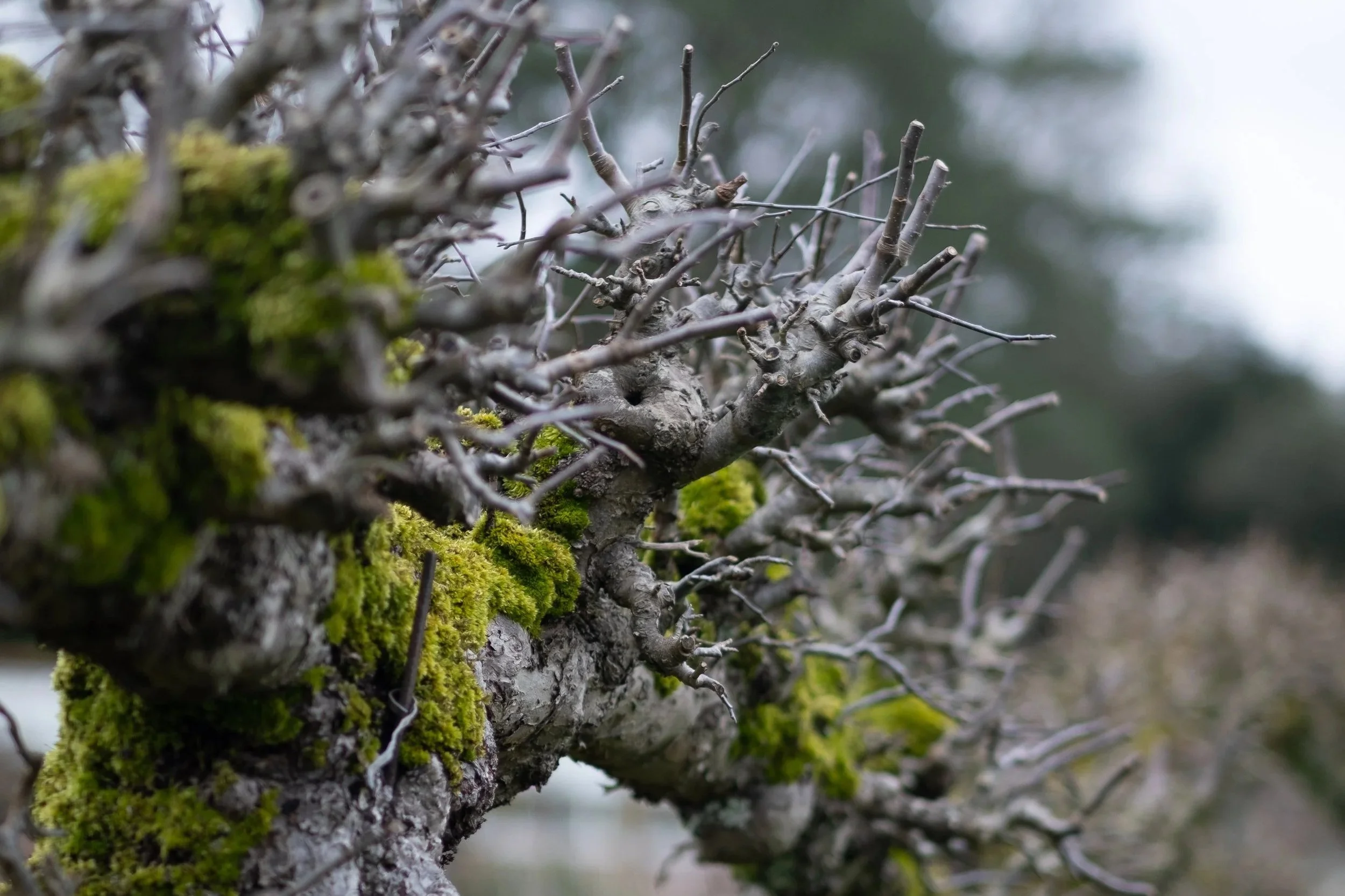
Establishing or restoring an orchard requires careful planning, structural understanding and long-term management. Fruit trees develop over decades, and early decisions about species selection, spacing and canopy structure strongly influence future productivity.
The Productive Garden Company provides orchard establishment and restoration services for private gardens and small orchards across Buckinghamshire and the Chilterns. Orchard development is approached as a gradual structural process that supports long-term tree health and productivity.
Orchard establishment may involve species selection, rootstock planning, spacing design and early structural training to ensure trees develop into stable, productive forms.
Orchard Restoration
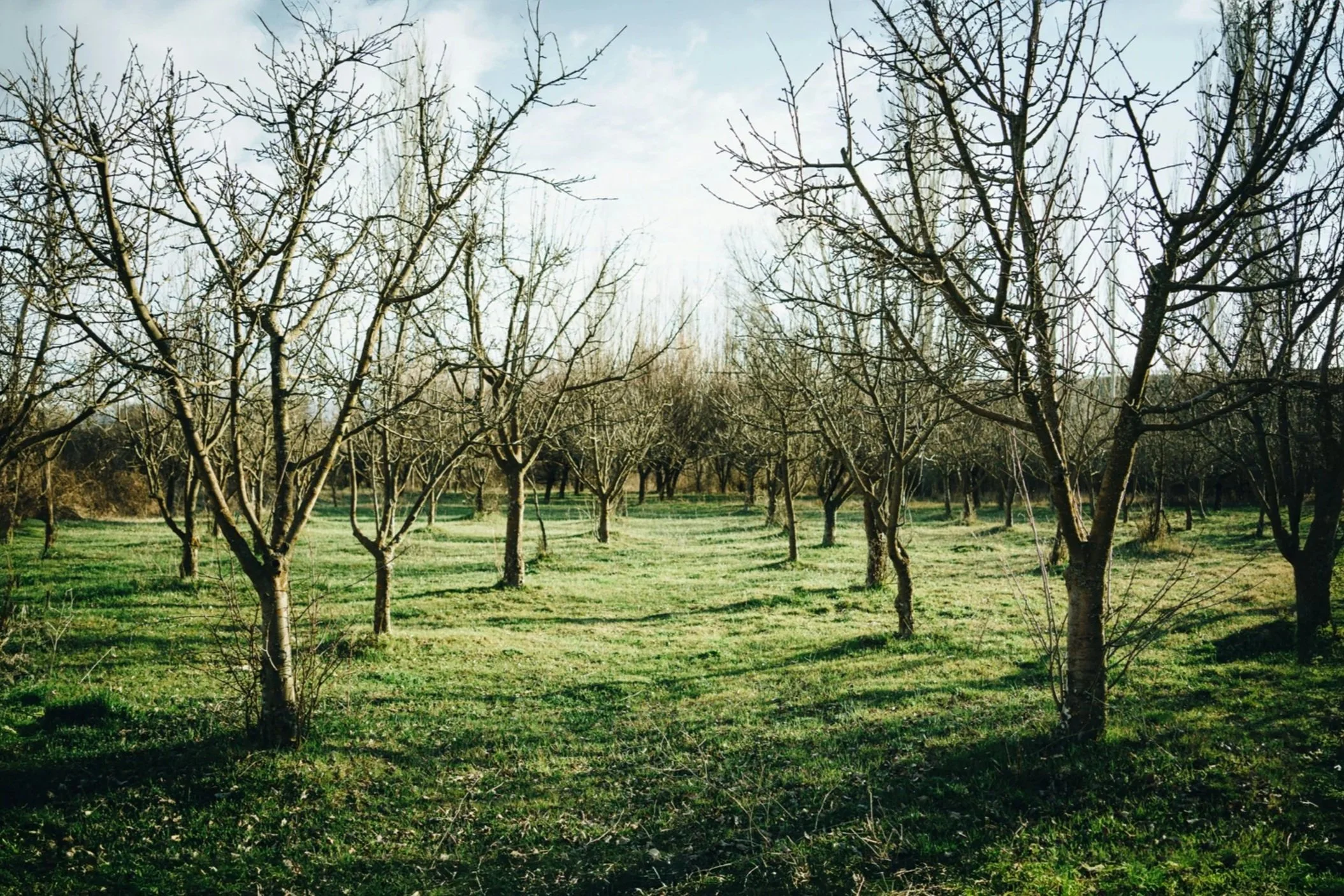
Many mature gardens contain older fruit trees or small orchards that have developed without consistent structural management. Over time these trees may become congested, excessively tall or difficult to harvest.
Restoration focuses on gradually correcting structural imbalance within the canopy while maintaining the health of the tree.
Rather than removing large volumes of growth in a single season, restoration work is usually carried out gradually across several years to stabilise growth and rebuild productive structure.
Typical restoration work may include:
phased canopy reduction where trees have grown excessively tall
removal of congested or competing scaffold branches
restoration of balanced canopy structure
encouragement of new fruiting wood
gradual improvement of airflow and light penetration
This approach allows older trees to regain productivity while avoiding unnecessary stress.
Structural Orchard Management
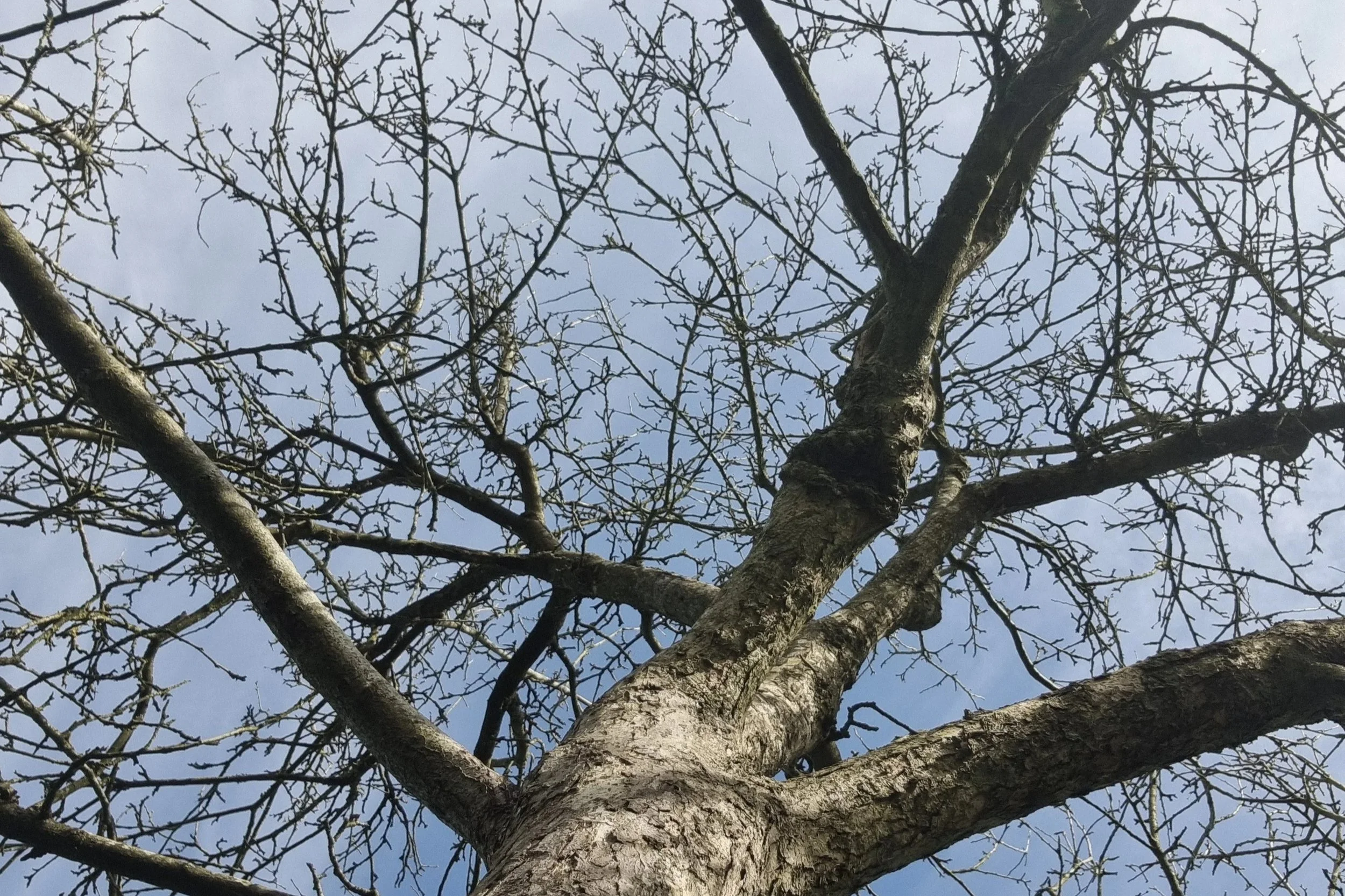
Successful orchards rely on consistent seasonal observation and measured intervention. Trees respond gradually to structural adjustments, and careful management helps maintain canopy balance and productive fruiting wood.
Many orchard problems develop slowly over time when pruning is inconsistent or when canopy structure becomes congested. Regular structural management helps prevent these issues before they significantly affect tree health or fruit quality.
Management considerations often include:
maintaining balanced scaffold branch structure
regulating tree height and canopy spread
encouraging renewal of fruiting wood
maintaining airflow through the canopy
monitoring tree vigour and seasonal growth patterns
Consistent structural oversight allows orchards to remain productive while remaining manageable within a garden setting.
When Orchard Establishment or Restoration Is Valuable
This service is particularly valuable for property owners who wish to introduce fruit trees into their gardens or restore older orchards that have become difficult to manage.
Many established gardens across Buckinghamshire contain mature fruit trees that were planted decades ago but have not been maintained using a consistent structural approach.
Orchard establishment or restoration may be appropriate for:
gardens planning the introduction of new fruit trees or orchard areas
mature fruit trees that have become excessively tall or congested
older orchards requiring gradual structural correction
gardens seeking to improve long-term fruit production
property owners wishing to establish productive orchard systems
In many cases the goal is not dramatic intervention but the gradual stabilisation of tree structure so that the orchard can develop sustainably over time.
Common Questions About Orchard Establishment and Restoration
How long does it take for a new orchard to become productive?
Most fruit trees begin producing meaningful crops within three to five years depending on species, rootstock and growing conditions. Early structural training during this period is important for shaping the long-term canopy.
Can very old fruit trees be restored?
In many cases mature fruit trees can be successfully restored using a phased pruning approach. Gradual structural correction helps maintain tree health while encouraging new productive wood.
How much space is required for a garden orchard?
The required space depends largely on rootstock selection and tree form. Smaller rootstocks allow fruit trees to remain compact and manageable within garden environments.
Orchards Across Buckinghamshire and The Chilterns
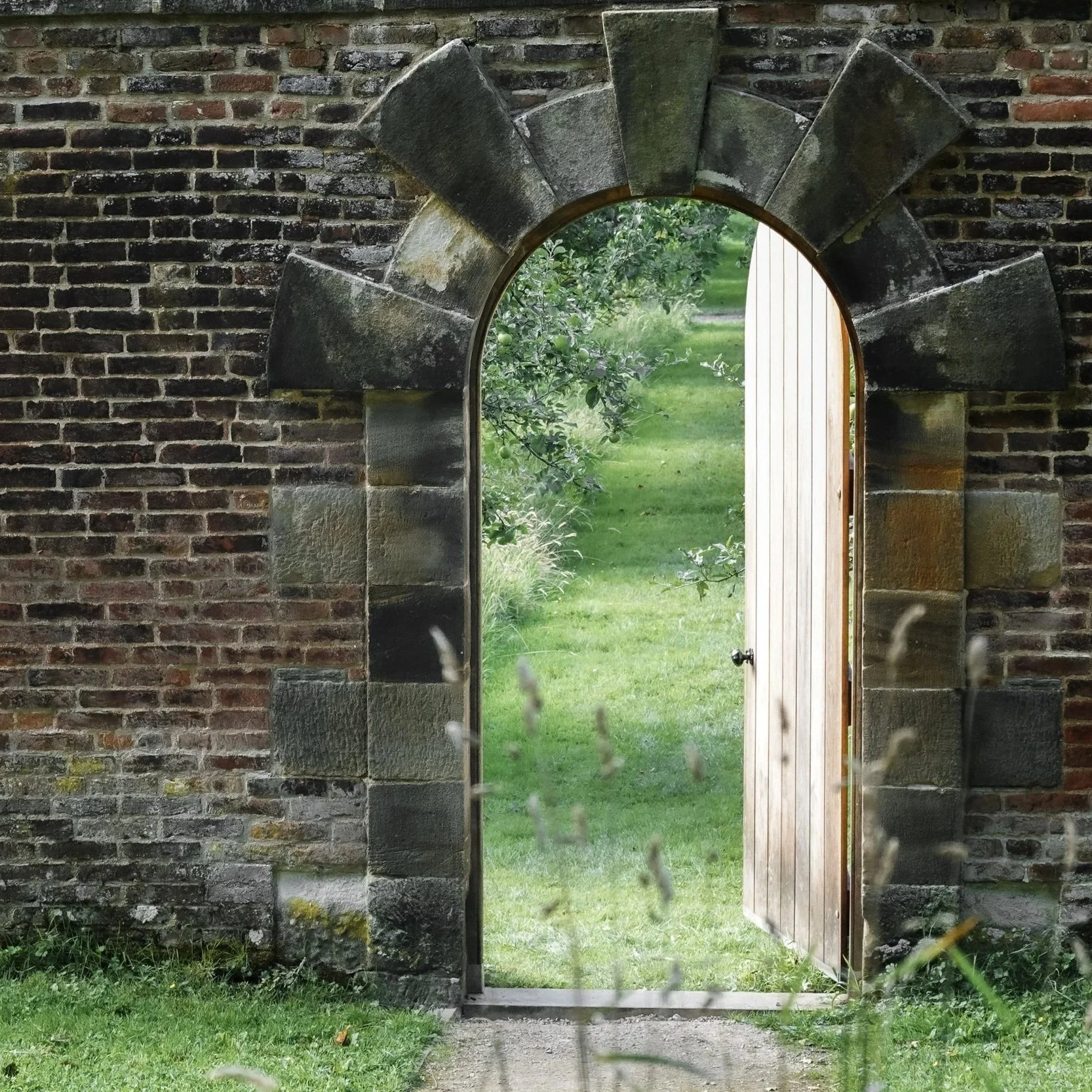
The Productive Garden Company works with private homeowners across South Buckinghamshire and the Chilterns to establish and restore productive orchard landscapes.
Many traditional gardens within this part of England contain established apple, pear and plum trees that benefit from thoughtful structural management and long-term planning.
We regularly work in areas including:
• Gerrards Cross
• Beaconsfield
• Amersham
• Marlow
• Great Missenden
• The Chalfonts
Within these mature landscapes, carefully managed orchard systems can remain productive and structurally balanced for many decades.
If you would like to understand more about how fruit trees develop, how canopy structure influences fruit production, and how mature trees can be restored over time, you can read our detailed guide:
→ Guide to Fruit Tree Care in Buckinghamshire and the Chilterns
We undertake a limited number of structured projects each year. Initial consultations establish alignment with our phased working model. We are not a general maintenance service.
Request an Initial Consultation
Initial consultations are offered to establish alignment with our structured approach. Most projects begin with a consultation to assess existing conditions and explore potential long-term development within the garden.
Learn more → Consultation Process