
Fruit Tree Pruning
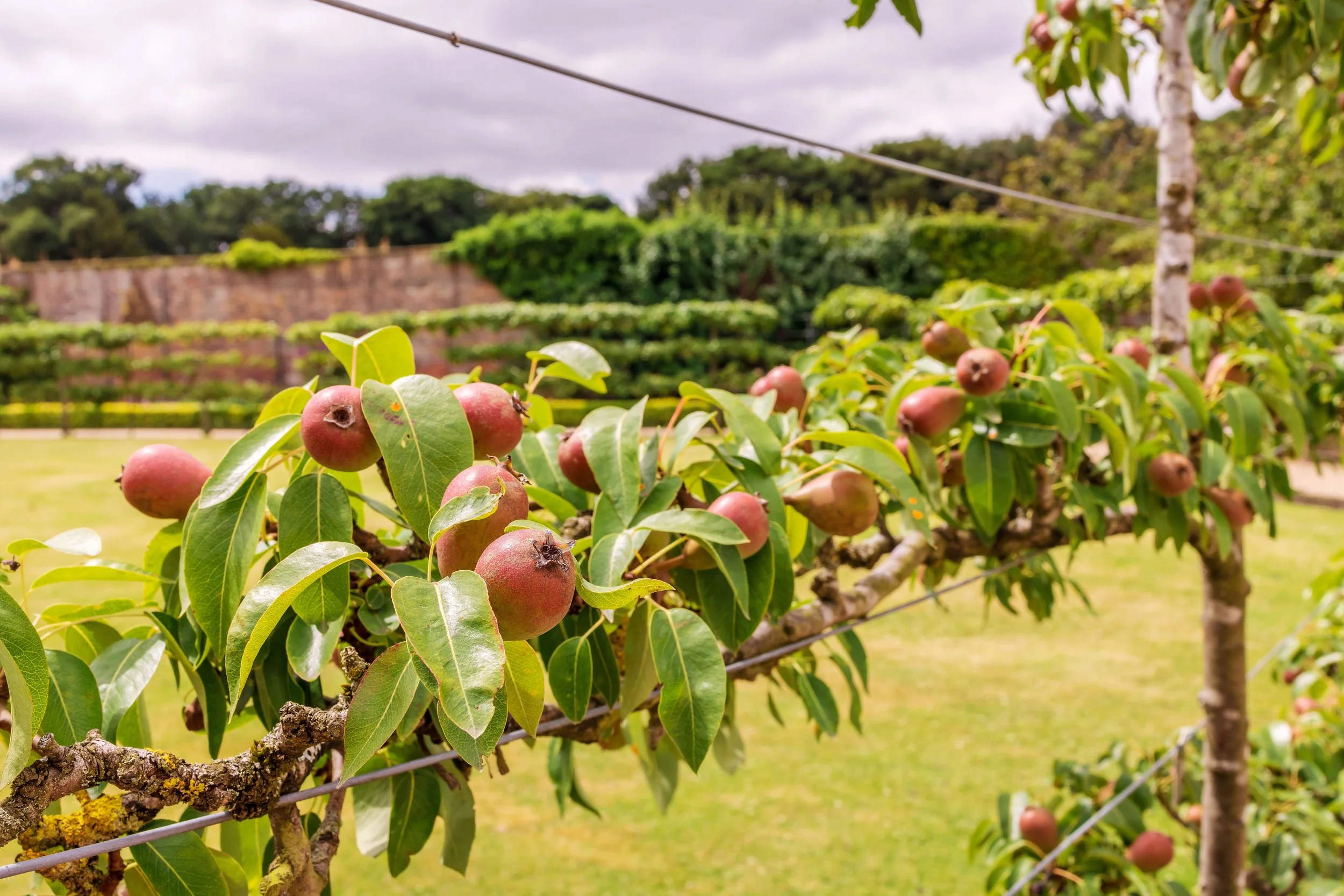
Fruit trees require careful structural management to remain productive, balanced and healthy over the long term. Pruning is not simply a matter of reducing size or removing visible growth. Each tree develops according to its species, fruiting habit, rootstock vigour and growing conditions.
The Productive Garden Company provides specialist fruit tree pruning for private gardens across Buckinghamshire and the Chilterns. The work focuses on canopy balance, light distribution and the preservation of productive fruiting wood rather than cosmetic trimming.
Every pruning decision is made with the long-term architecture and productivity of the tree in mind.
Structural Fruit Tree Pruning
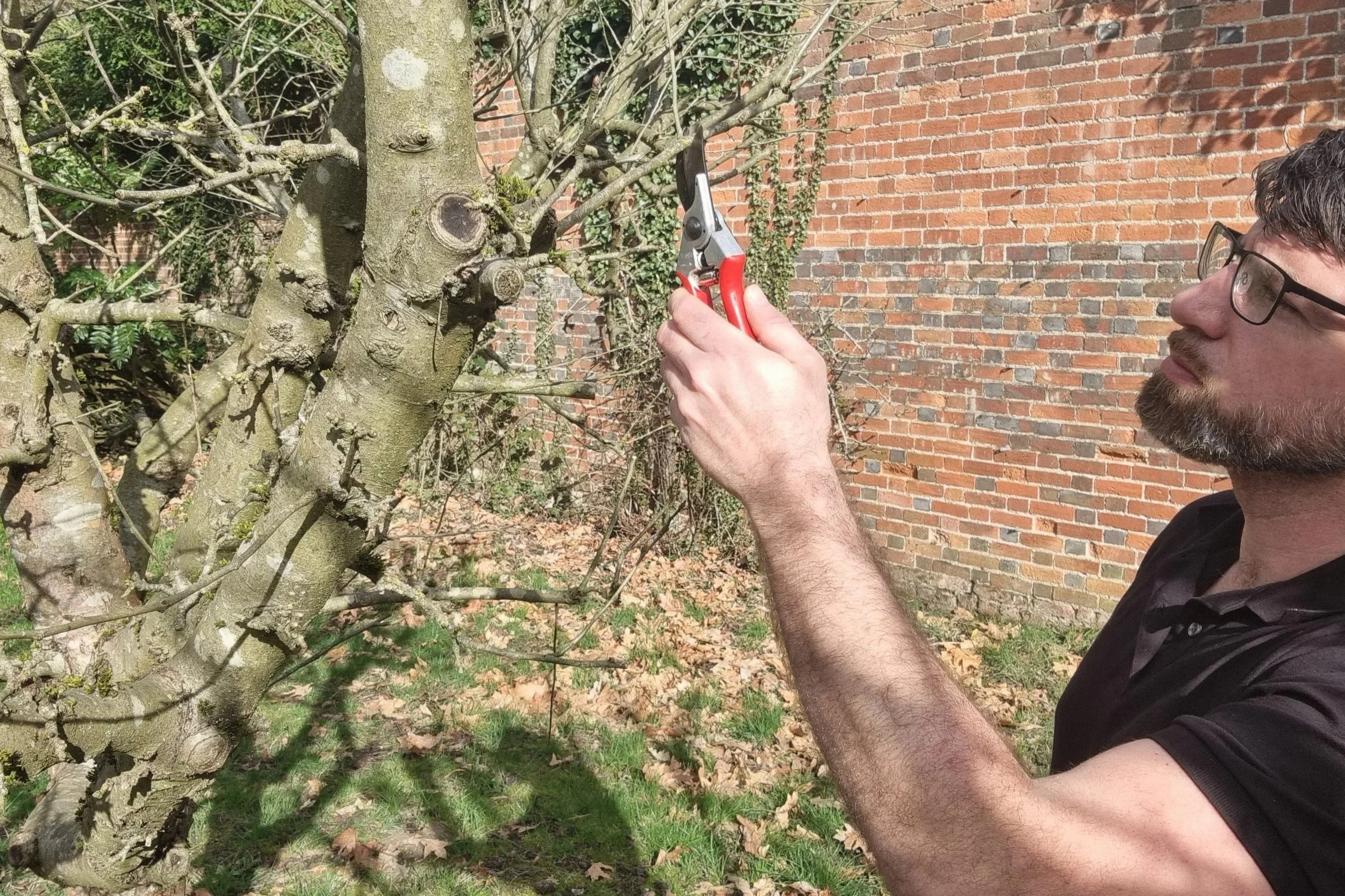
Fruit tree pruning focuses on managing the structural framework of the tree so that light, airflow and energy distribution remain balanced. The objective is long-term productivity rather than short-term visual reduction.
Typical work may involve:
removal of dead, diseased or dysfunctional wood
correction of crossing or congested branches
management of competing leaders
improving light penetration within the canopy
moderating height in relation to rootstock vigour
preserving and developing productive fruiting wood
Healthy fruit trees are shaped gradually over time, allowing the canopy to remain stable while productive wood is renewed.
Understanding Fruiting Habit
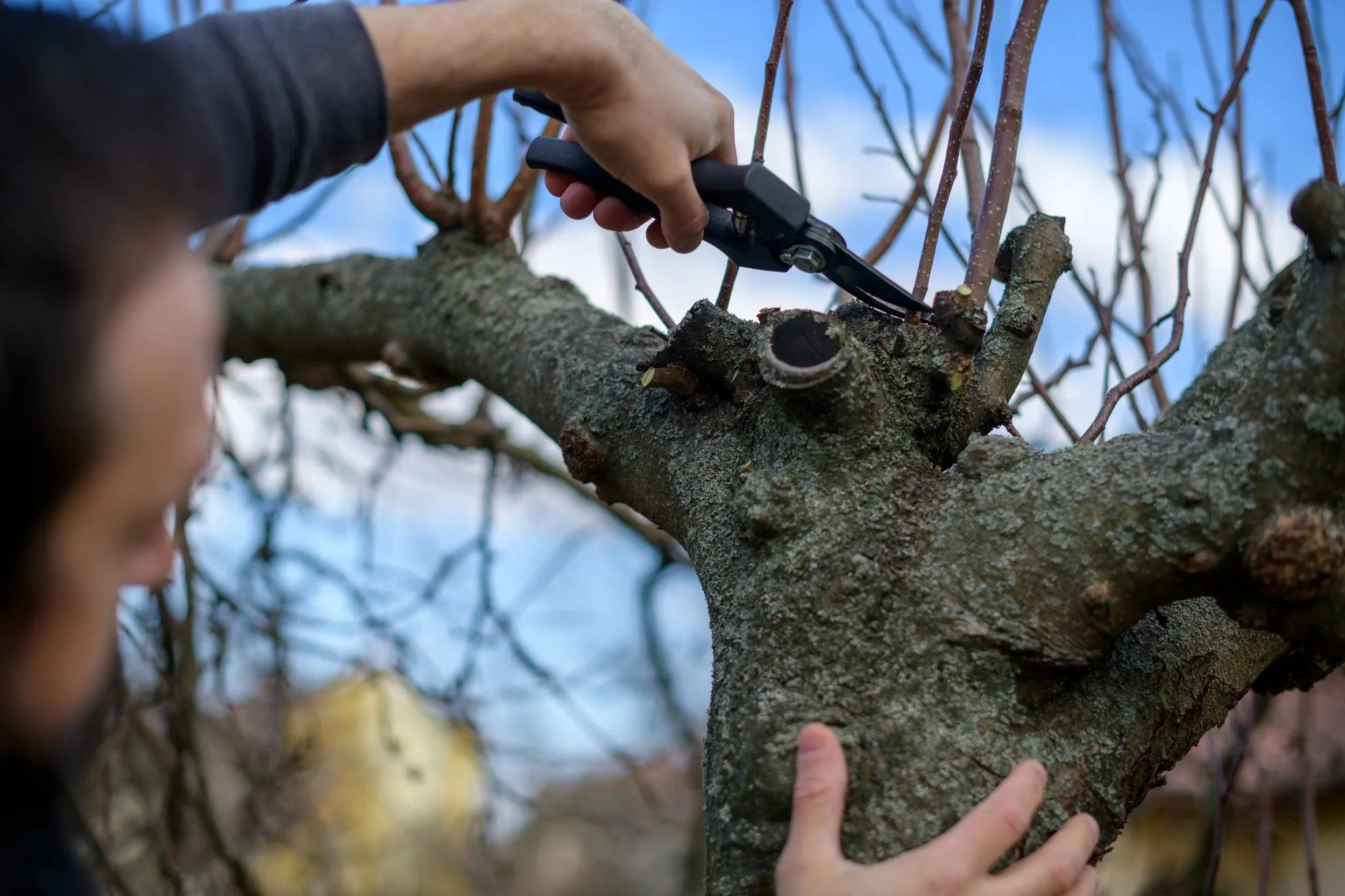
Different fruit trees produce fruit in different ways, and effective pruning requires recognising these fruiting patterns so that productive wood is preserved rather than removed unintentionally.
Many apples and pears develop fruit on spurs that form on older wood, while some varieties produce fruit at the tips of new shoots. Stone fruits such as plums, cherries and gages often fruit on younger wood formed during the previous season.
Pruning therefore adapts to the biology of the tree rather than following a single routine approach. Understanding fruiting habit is central to maintaining reliable harvests and preventing gradual decline in productivity.
Seasonal Pruning Framework
Fruit trees are typically managed through a seasonal framework where different pruning actions are carried out at different times of year. Each period plays a different role in shaping the structure and behaviour of the tree.
Winter Pruning (Dormant Season)
Dormant season pruning focuses primarily on structural correction and framework development.
Typical objectives include:
clarifying scaffold branch structure
selecting or maintaining a central leader where appropriate
restoring overall crown balance
removing unproductive or poorly positioned wood
managing height gradually where trees have become overly vigorous
Winter pruning establishes the structural foundation from which productive growth develops during the following season.
Summer Pruning
Summer pruning is used primarily to regulate vigour and refine fruiting structure while the tree is in active growth. Selective removal of vigorous shoots helps maintain light penetration within the canopy, improves fruiting spur development and prevents excessive vertical growth.
This approach is particularly important in trained fruit tree forms such as espalier or cordon systems, where seasonal pruning maintains both the structural framework and the productivity of the tree.
Phased Restoration of Neglected Trees
Many domestic fruit trees have been left unmanaged for extended periods. Attempting to correct these trees in a single season often leads to excessive regrowth and structural instability.
Instead, restoration is usually carried out gradually across several seasons.
A phased restoration programme may involve:
gradual height reduction
improving canopy balance
restoring clear scaffold branch structure
re-distributing fruiting wood through the canopy
improving airflow and light penetration
This staged approach allows mature trees to regain productivity while preserving their long-term health and stability.
Espalier and Trained Fruit Trees
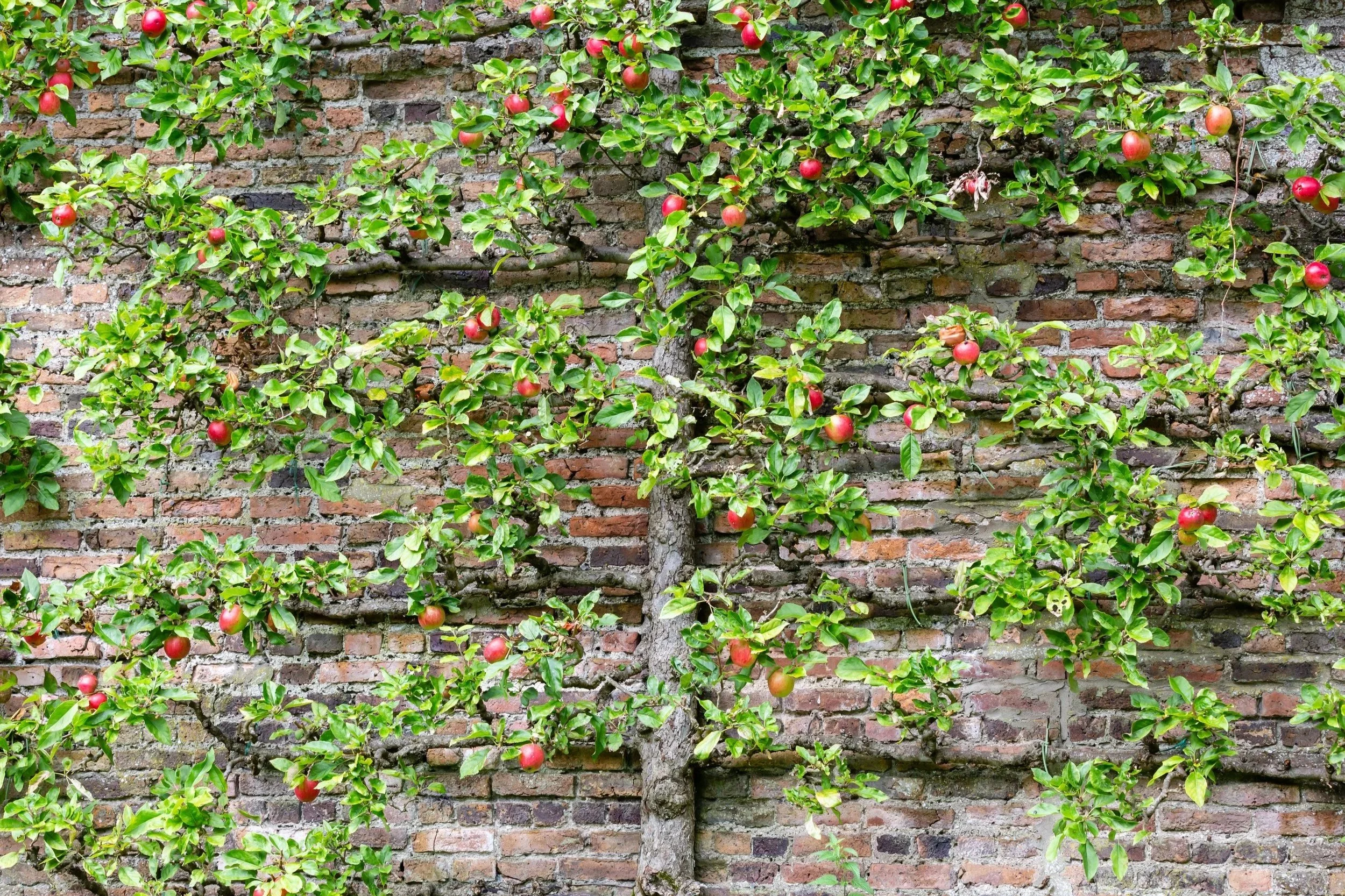
Trained fruit trees such as espalier, cordon and fan-trained forms require specialised seasonal pruning to maintain their architectural structure.
These systems are commonly found in traditional kitchen gardens, walled gardens and structured garden layouts where fruit production is integrated with the wider landscape design. Careful management of lateral growth and fruiting spurs preserves the formal framework while ensuring consistent harvests.
Common Questions About Fruit Tree Pruning
When should fruit trees be pruned?
Many fruit trees are pruned during the dormant winter months when the structure of the canopy is easier to observe. This is often the most suitable time for structural pruning of apple and pear trees.
Summer pruning may also be used to manage vigorous growth and refine fruiting structure, particularly for trained fruit trees such as espaliers or cordons.
The most appropriate timing depends on the species of tree and the objectives of the pruning work.
Do fruit trees need to be pruned every year?
Not all fruit trees require pruning every year, but periodic structural management helps maintain balance within the canopy and encourages the renewal of productive fruiting wood.
Some mature trees benefit from light seasonal adjustments, while others may only require intervention every few years depending on their condition and growth behaviour.
What happens if fruit trees are not pruned?
Fruit trees can survive for many years without pruning, but over time the canopy often becomes increasingly dense. This can reduce light penetration within the tree and gradually limit the development of healthy fruiting wood.
Unmanaged trees may also become excessively tall, making harvesting and future pruning more difficult.
Careful structural pruning helps maintain a balanced canopy and supports long-term productivity.
Can overgrown fruit trees be restored?
Yes. Many mature fruit trees that have been unmanaged for years can be gradually restored through a phased pruning approach.
Rather than carrying out heavy reductions in a single season, restoration usually takes place over several years so that the structure of the tree can be corrected gradually while preserving its health and stability.
Do you prune fruit trees in small private gardens?
Yes. Many of the fruit trees found in Buckinghamshire gardens are mature apple, pear or plum trees that were planted decades ago.
Even a single fruit tree can benefit from careful structural pruning to maintain canopy balance, improve fruit production and ensure the tree remains manageable within the garden.
Fruit Tree Pruning Across Buckinghamshire and the Chilterns
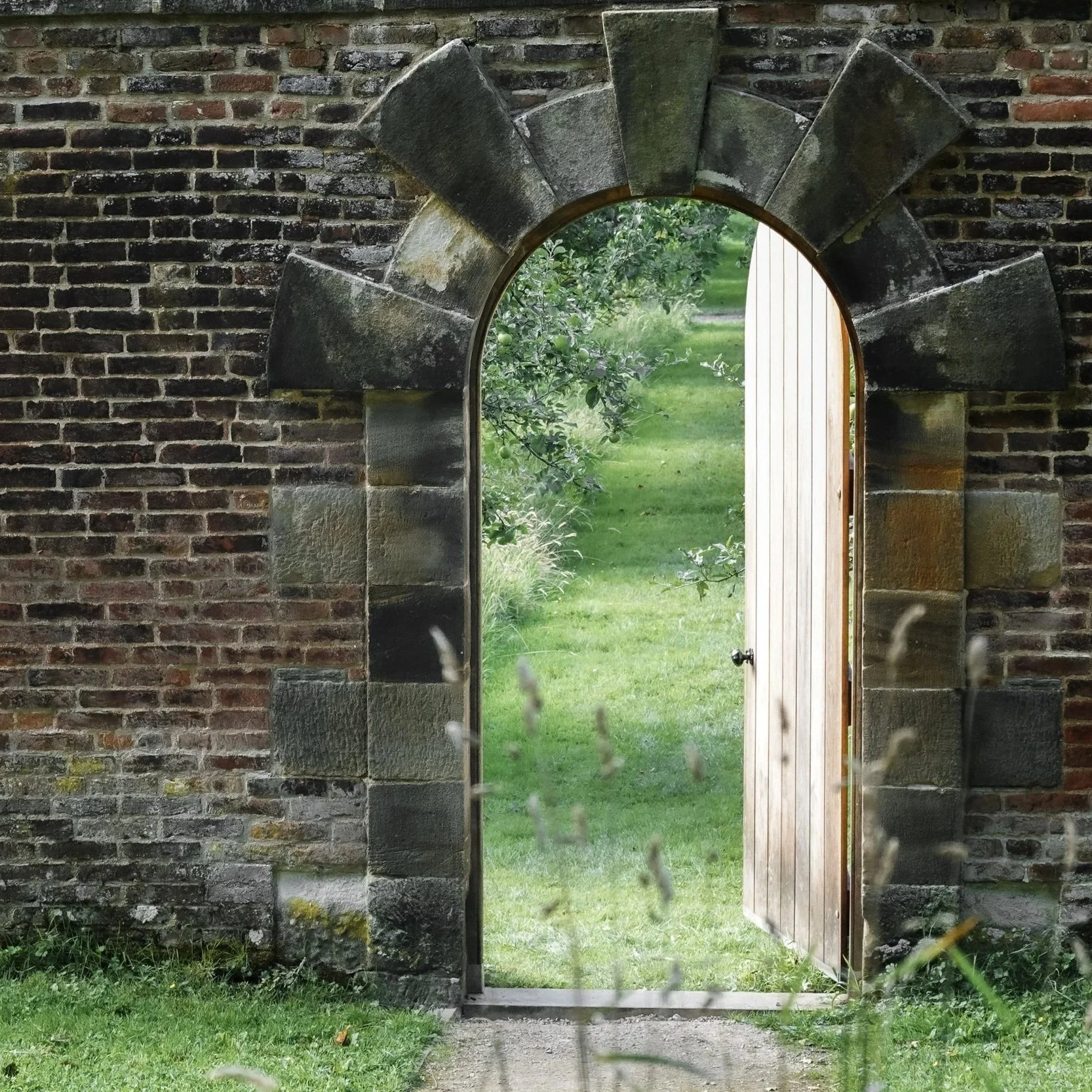
Fruit tree pruning is undertaken for private gardens across Buckinghamshire and the surrounding Chiltern villages, including areas such as Gerrards Cross, Beaconsfield, Amersham and Marlow. Many properties in this region contain mature apple, pear and plum trees that benefit from careful structural pruning to maintain long-term productivity and manageable canopy structure.
Because fruit trees often develop gradually over decades, periodic professional pruning helps preserve the health, balance and fruiting capacity of mature trees within established gardens.
If you would like to understand more about how fruit trees develop, how canopy structure influences fruit production, and how mature trees can be restored over time, you can read our detailed guide:
→ Guide to Fruit Tree Care in Buckinghamshire and the Chilterns
We undertake a limited number of structured projects each year. Initial consultations establish alignment with our phased working model. We are not a general maintenance service.
Request an Initial Consultation
Initial consultations are offered to establish alignment with our structured approach. Most projects begin with a consultation to assess existing conditions and explore potential long-term development within the garden.
Learn more → Consultation Process