
Pest & Disease Consultation
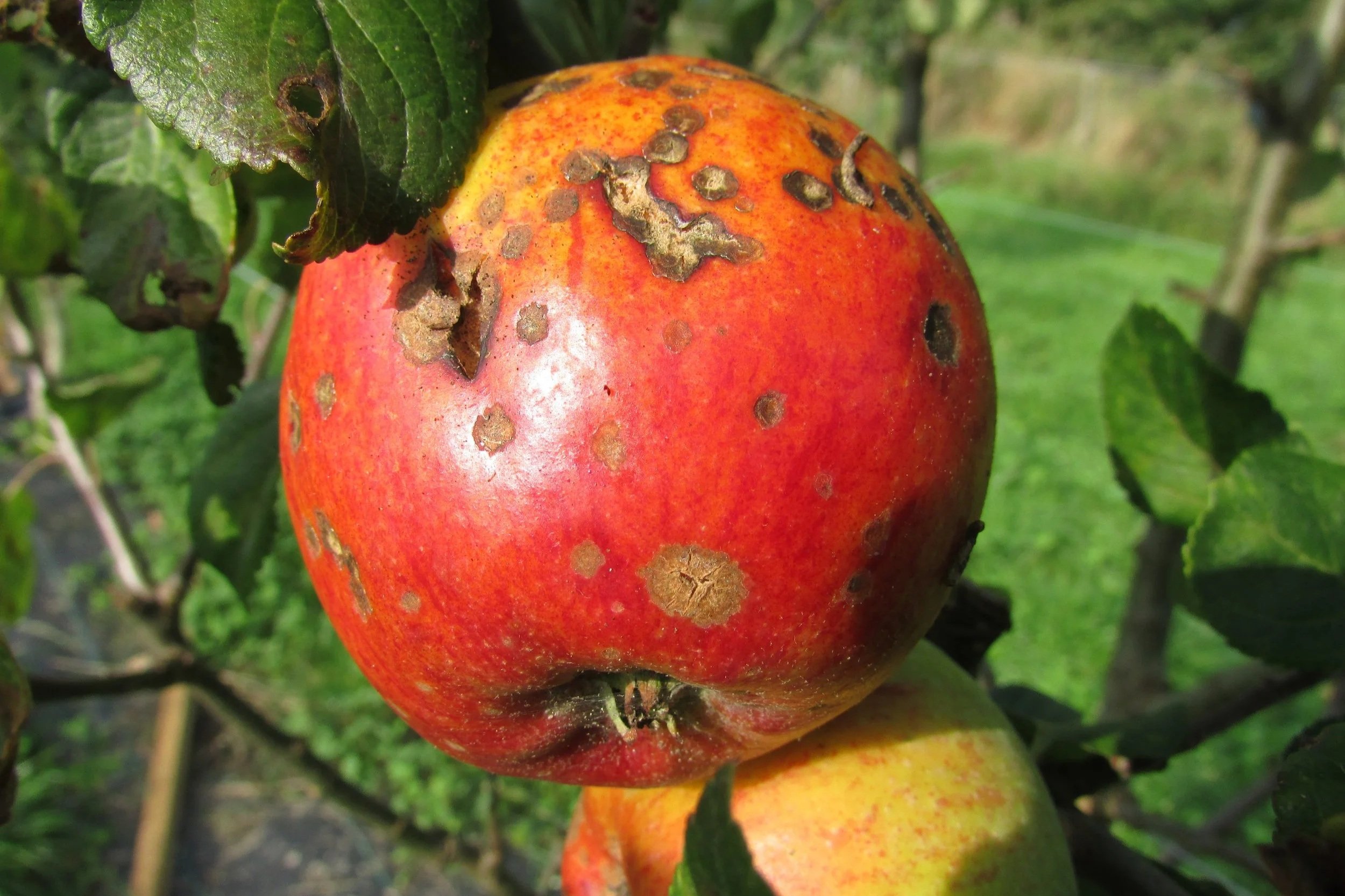
Fruit trees can experience a range of pest and disease pressures that affect tree vigour, fruit quality and long-term productivity. Accurate identification is essential before any intervention is considered.
The Productive Garden Company provides specialist pest and disease consultation for fruit trees and small orchards across Buckinghamshire and the Chilterns. The focus is careful diagnosis, severity assessment and proportionate management planning rather than reactive treatment.
Accurate diagnosis is essential before corrective action is considered.
Diagnostic Assessment
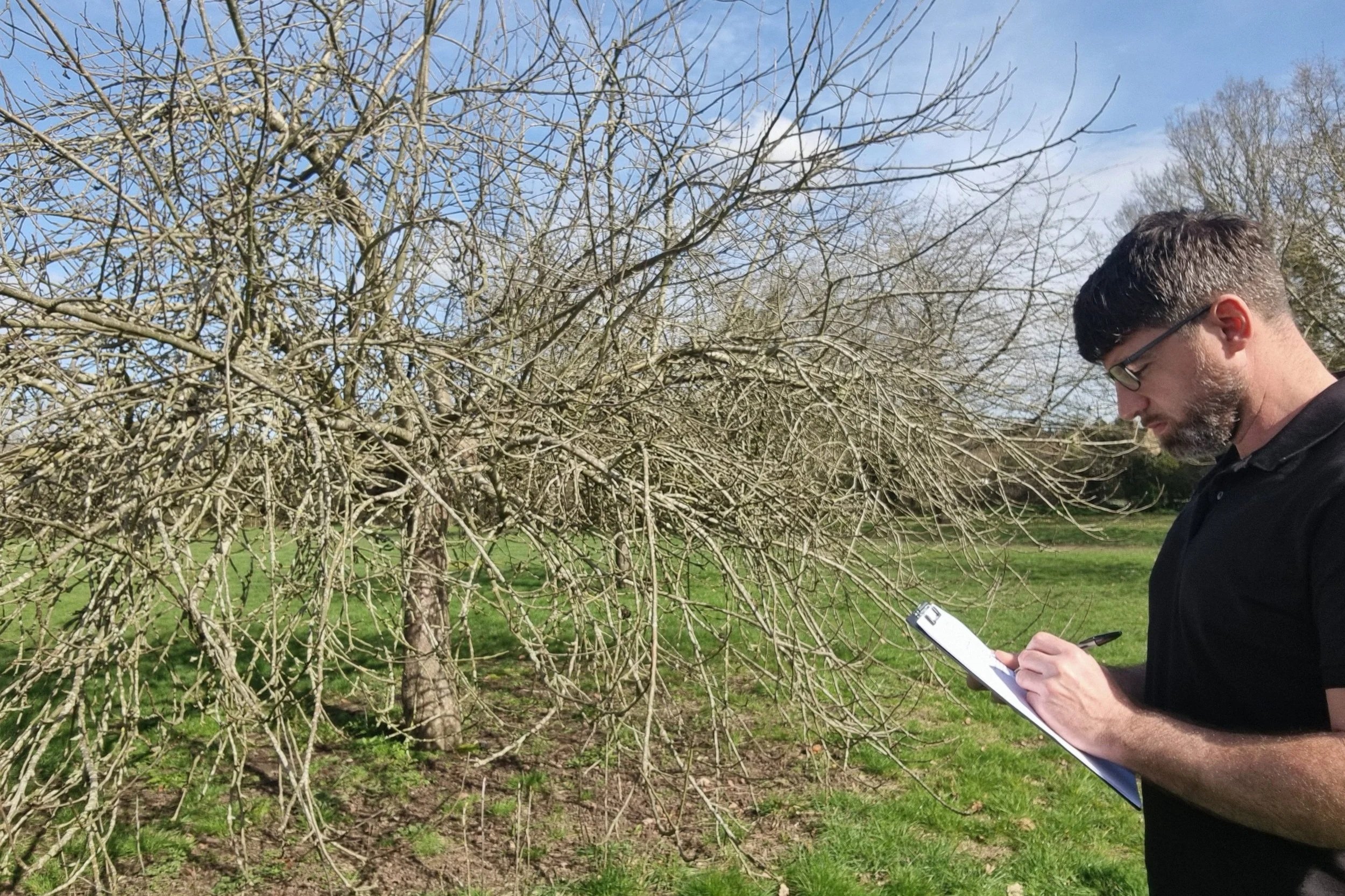
Consultations begin with a structured on-site inspection of the affected trees and surrounding growing environment. Symptoms are examined in context so that recommendations are based on observation rather than assumption.
Assessment may include:
visual identification of symptoms on leaves, fruit and bark
classification of pest or disease type where possible
severity assessment and spread evaluation
canopy airflow and light penetration analysis
observation of root zone conditions and surrounding ground competition
Effective pest and disease management begins with careful observation rather than immediate treatment.
Understanding Underlying Causes
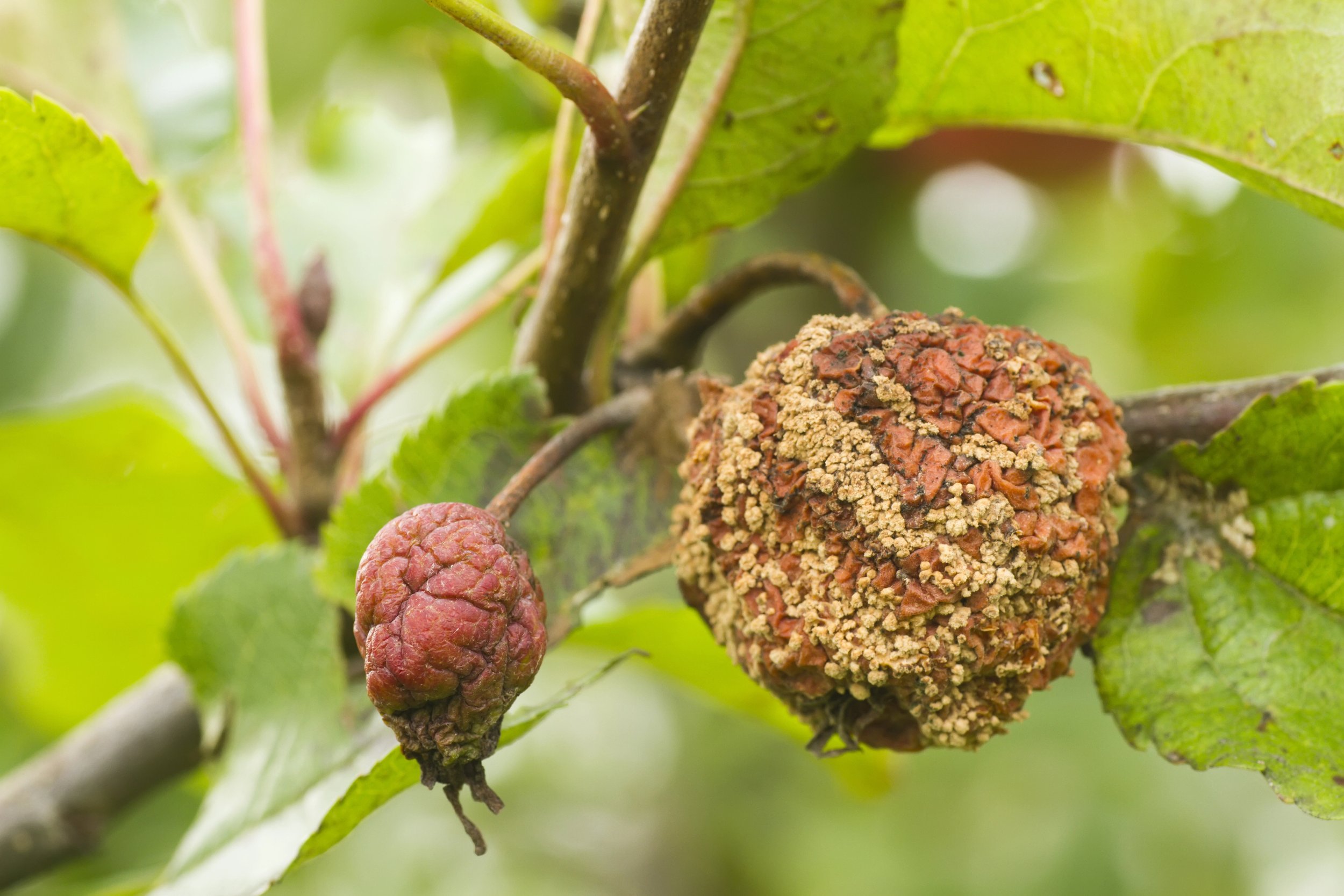
Pest and disease issues are often linked to broader structural or environmental conditions rather than isolated biological events.
Fruit trees growing within dense or poorly structured canopies frequently experience increased fungal pressure due to reduced airflow and prolonged moisture retention. Similarly, stressed trees growing in compacted or poorly drained soils can become more susceptible to pest attack.
Common contributing factors include:
congested canopy structure reducing airflow
excessive vegetative growth
poor light penetration within the canopy
soil stress or compaction
persistent moisture conditions
previous incorrect pruning
In many cases pest and disease pressure is a symptom of broader structural or environmental imbalance.
Structured Intervention Planning
Following the diagnostic assessment, clear recommendations are provided for managing the issue while supporting long-term tree health.
Interventions may include:
structural pruning to improve airflow and canopy balance
sanitation removal of infected material
seasonal monitoring of pest populations
adjustments to soil or irrigation conditions
biological or cultural control strategies
These measures are prioritised before chemical treatment so that the natural resilience of the tree can be restored wherever possible.
Management strategies prioritise structural and cultural corrections before chemical intervention is considered.
Chemical Control Considerations
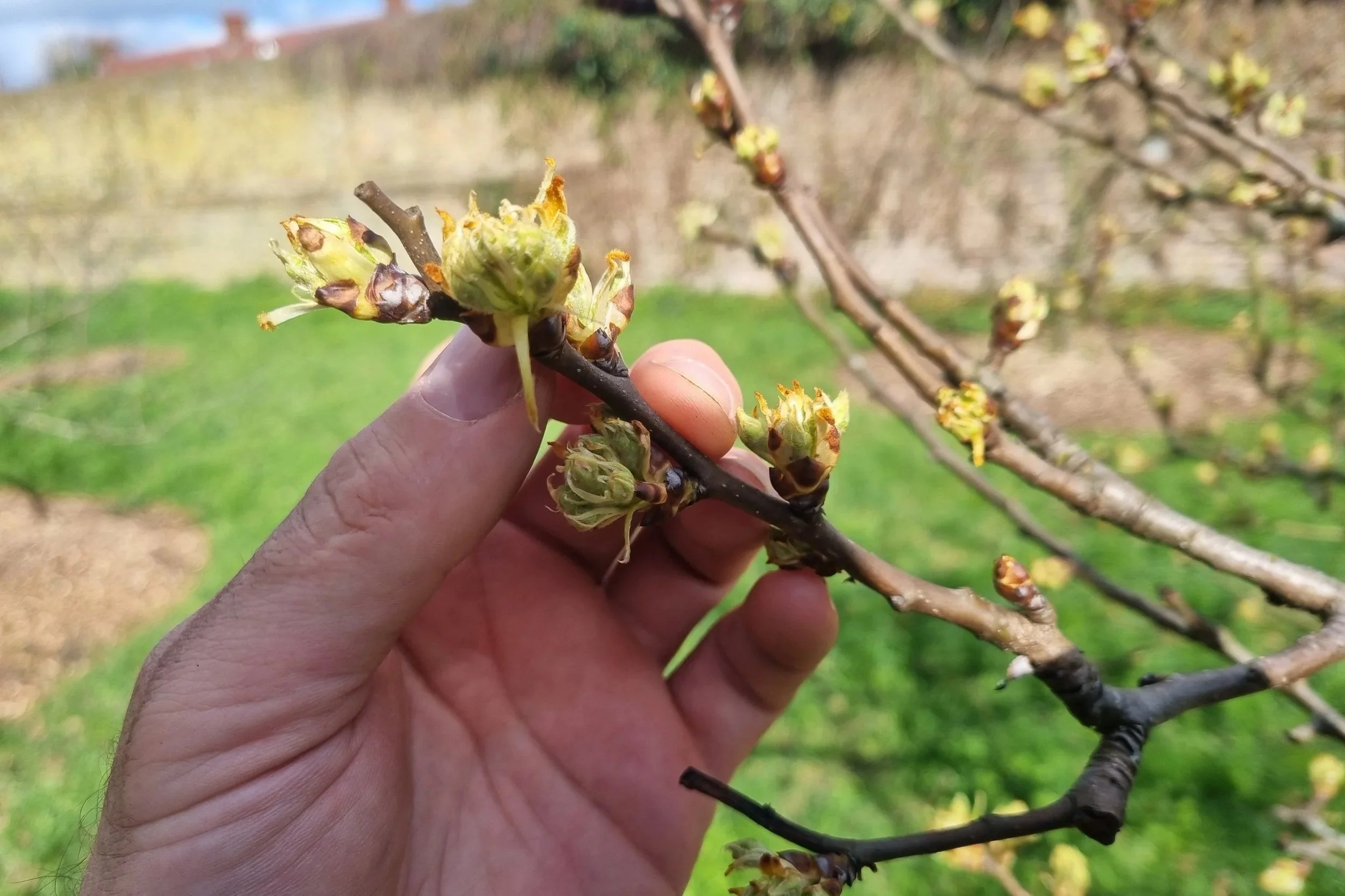
Where pest or disease pressure is severe, chemical treatment may occasionally be considered.
However this is only recommended where:
the diagnosis is clear
cultural management alone is insufficient
the product is legally approved for the situation
application is proportionate and appropriate
In many cases structural and cultural corrections provide sufficient control without routine chemical treatment.
When Pest & Disease Consultation Is Valuable
Pest and disease consultation is most valuable when symptoms appear repeatedly or when the cause of decline is unclear.
Many visible symptoms are the result of structural imbalance, environmental stress or seasonal conditions rather than a simple pest outbreak.
This service is particularly appropriate for:
homeowners observing unexplained leaf damage, fruit loss or canopy decline
gardens experiencing repeated pest pressure across seasons
property owners seeking accurate identification before treatment
orchard owners wishing to reduce unnecessary chemical intervention
stewardship clients requiring structured seasonal monitoring
The aim is long-term tree health rather than short-term symptom control.
Common Questions About Fruit Tree Pests and Diseases
What are the most common fruit tree diseases in Buckinghamshire?
Apple scab, powdery mildew and canker are among the most frequently observed diseases in established apple trees across the region. Pears may experience scab and rust, while plums can be affected by silver leaf or bacterial canker.
Should pest or disease symptoms always be treated immediately?
Not necessarily. Many issues fluctuate seasonally and may not require intervention. Accurate diagnosis and severity assessment are essential before treatment is considered.
Can pruning help reduce pest and disease problems?
Yes. Structural pruning that improves airflow and light penetration within the canopy often reduces the environmental conditions that allow many fungal diseases to develop.
Fruit Tree Health Across Buckinghamshire and The Chilterns
The Productive Garden Company provides pest and disease consultation for fruit trees and small orchards across South Buckinghamshire and the Chilterns.
Mature gardens across this part of England often contain established apple, pear and plum trees where canopy structure, pruning history and soil conditions influence pest and disease pressure.
We regularly work in areas including:
• Gerrards Cross
• Beaconsfield
• Amersham
• Marlow
• Great Missenden
• The Chalfonts
Many gardens within this part of Buckinghamshire contain mature fruit trees that benefit from careful structural management and early diagnosis when symptoms appear.
We undertake a limited number of structured projects each year. Initial consultations establish alignment with our phased working model. We are not a general maintenance service.
Request an Initial Consultation
Initial consultations are offered to establish alignment with our structured approach. Most projects begin with a consultation to assess existing conditions and explore potential long-term development within the garden.
Learn more → Consultation Process